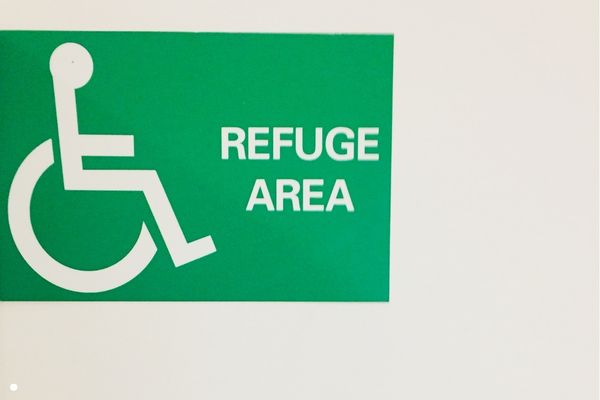
Disabled Refuge System Maintenance
Disabled refuge systems (also called Emergency Voice Communication, or EVC, systems) link refuge-area call points (handsets or push-button intercoms) to a central control panel. These systems let people who cannot easily use stairs summon help and communicate with rescue personnel during an evacuation. Maintenance can cover all routine tasks: inspecting and servicing the master control panel, testing each refuge call point and handset, verifying backup batteries and power supplies, checking fault-monitoring and interfaces (for example, integration with the fire alarm panel), and ensuring refuge signage and lighting remain visible.
Routine upkeep isn’t optional – it’s essential. The Fire Safety Order 2005 requires that all fire-evacuation equipment be kept “efficient and in good working order”. BS 5839-9 explicitly sets out regular EVC inspection and test regimes (typically twice-yearly service by a competent engineer). Adhering to these standards means every weekly check, battery test and annual service is recorded in your fire safety logbook, proving compliance and giving confidence that the system will work under stress. In short, systematic maintenance prevents faults, meets legal duties (RR (FS)O 2005 and BS 5839-9), and ensures disabled refuge systems truly safeguard building users in an emergency.