
Fire Extinguisher Maintenance
When an extinguisher is needed, it cannot be a decoration on the wall. It has to work first time, without excuses.
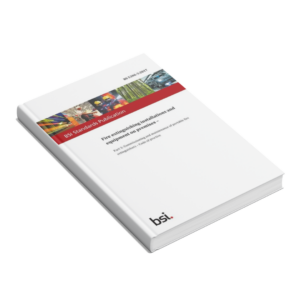
FDS Maintenance provides planned fire extinguisher maintenance for commercial buildings, residential blocks and managed premises, helping you keep portable firefighting equipment compliant, correctly located and ready for use. Our maintenance approach is built around BS 5306-3, the British Standard code of practice for commissioning and maintenance of portable fire extinguishers, alongside the wider duty to keep fire safety measures maintained and in good working order.
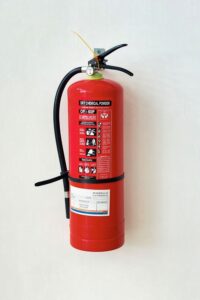
We maintain the mainstream portable extinguisher types commonly found across UK premises, including water, foam, wet chemical, dry powder and CO2 units. During each visit, we inspect service condition and visible operating components such as cylinders, pressure indicators, tamper seals, hoses and discharge nozzles, and we confirm that extinguishers remain in the correct location with suitable signage for the risks identified on site.
Service Intervals
BS 5306-3 sets maintenance as a planned cycle rather than a one-off check. After commissioning, extinguishers fall under four service stages: basic service, extended service, recharge and overhaul. Every extinguisher should receive a basic service at least annually by a competent person, while the Responsible Person should also carry out visual inspections at least monthly, and more often where conditions require it.
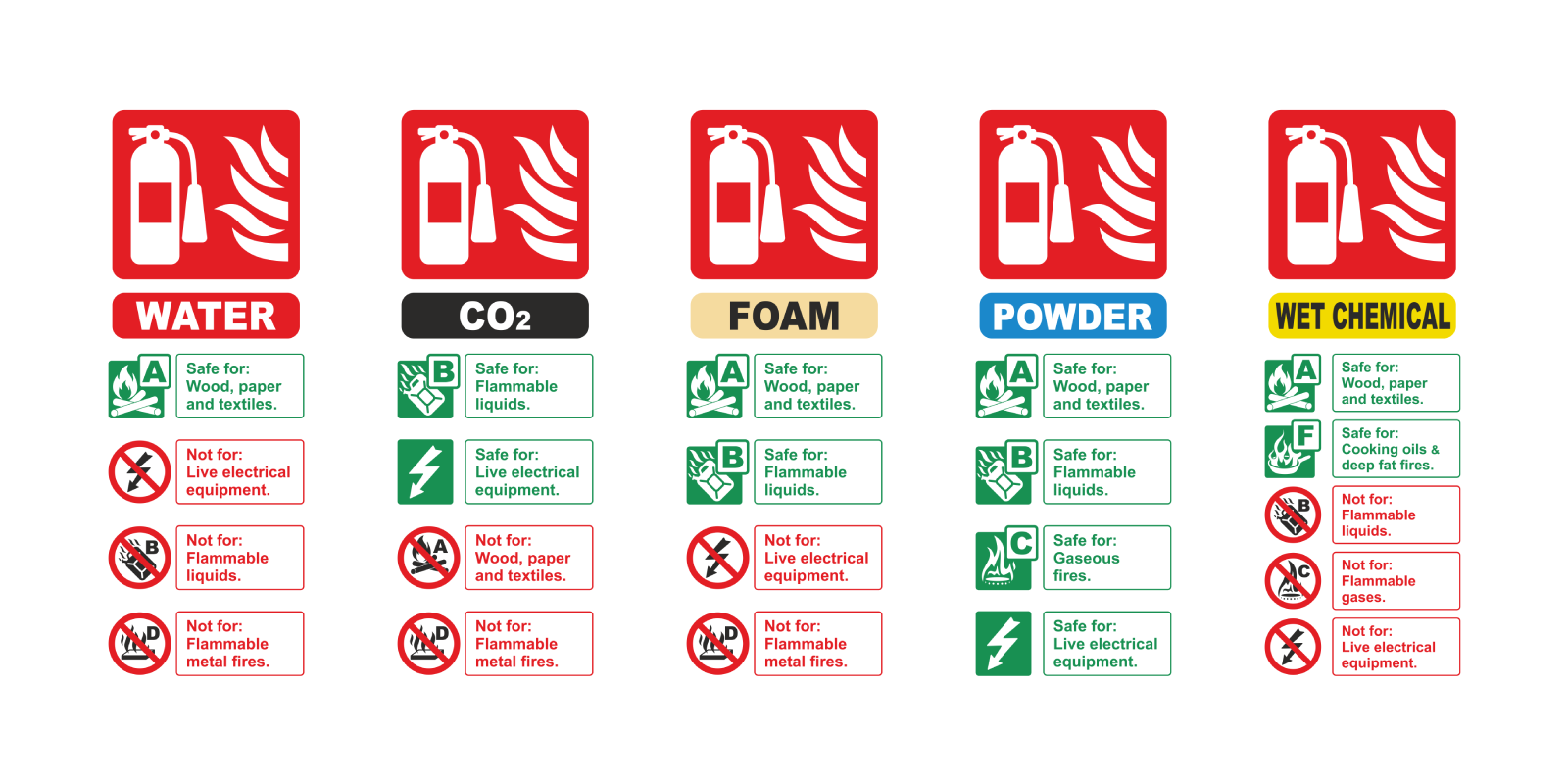
Longer-interval servicing depends on the extinguisher type. Water-based extinguishers, which BAFE notes include foam and wet chemical media, generally require extended service every five years. Standard powder units also usually follow a five-year extended-service interval, primary-sealed powder units typically move to a ten-year extended-service interval, and CO2 extinguishers are subject to ten-year overhaul intervals.
BAFE accredited and LPS 1014 certified, FDS Maintenance helps protect critical fire safety systems that you can’t afford to fail.
What difference does it make?
The purpose is straightforward: to keep each extinguisher safe, reliable, in good repair and suited to the hazard it protects. That gives Responsible Persons stronger evidence of due diligence, with maintenance labels and service documentation that support audits, insurance records and day-to-day fire safety management.
With certified engineers, tailored maintenance plans, digital compliance reporting and engineers available across the UK, FDS Maintenance helps you stay on top of compliance without unnecessary disruption. If your extinguishers are due an annual service, overdue for extended maintenance, or need review after changes to the building or its fire risks, FDS Maintenance can help.
Fire extinguishers need servicing?
Frequently Asked Questions
How often should fire extinguishers be serviced?
Every extinguisher should receive a basic service at least once every 12 months by a competent person. BS 5306-3 also expects monthly visual inspections by the Responsible Person, while extended service or overhaul intervals depend on the extinguisher type.
What does BS 5306-3 cover?
BS 5306-3 is the British Standard code of practice for commissioning and maintenance of portable fire extinguishers. It covers commissioning recommendations, maintenance schedules, overhaul procedures and recharge arrangements.
Who is responsible for checks between engineer visits?
The Responsible Person should carry out visual inspections at least monthly to make sure extinguishers are still present, accessible and apparently undamaged. The annual basic service and any scheduled extended service, recharge or overhaul should be carried out by a competent person.
Is fire extinguisher maintenance a legal requirement?
In England, where firefighting equipment is required, Home Office guidance says premises will normally need portable extinguishers and that fire safety measures must be maintained regularly and suitably in efficient working order and good repair.
What types of fire extinguisher can FDS Maintenance maintain?
Mainstream portable extinguisher categories used in UK premises: water, foam, wet chemical, dry powder and CO2.
What records should I keep after servicing?
Each extinguisher should carry a maintenance label showing it has been examined by a competent person, and the servicing documentation should be retained. FDS maintenance visits produce digital compliance reports that can be used for audits and insurance requirements.