
Sprinkler System Maintenance
When a fire starts, your sprinkler system has one chance to perform. FDS Maintenance helps make sure it is ready. We provide sprinkler system maintenance for commercial and industrial systems maintained to BS EN 12845, and for residential and domestic systems maintained to BS 9251:2021.
Where a working sprinkler installation forms part of your fire precautions, this maintenance also supports the responsible person’s duties under the Regulatory Reform (Fire Safety) Order 2005.
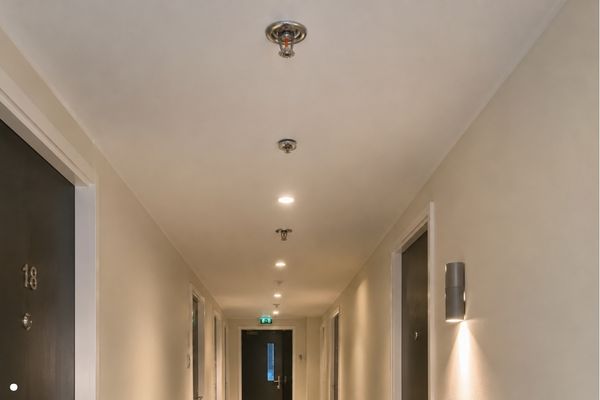
Fire Sprinkler Maintenance from FDS
Our sprinkler maintenance service is built around the parts of the system that matter most when seconds count. Depending on the installation at your premises, this can include sprinkler heads and cover plates, pipework and supports, control and stop valves, flow switches, alarms, water supplies, pump sets, tanks, backflow arrangements, remote monitoring links and frost-protection or trace-heating measures where fitted.
The aim is simple: identify faults early, keep the system serviceable and maintain clear evidence that the installation has been inspected and tested against the right standard.
BAFE accredited and LPS 1014 certified, trusted to maintain the fire safety systems your building depends on.
Standards-led Sprinkler Maintenance, from Water Supply to Final Report
Commercial Sprinkler Systems
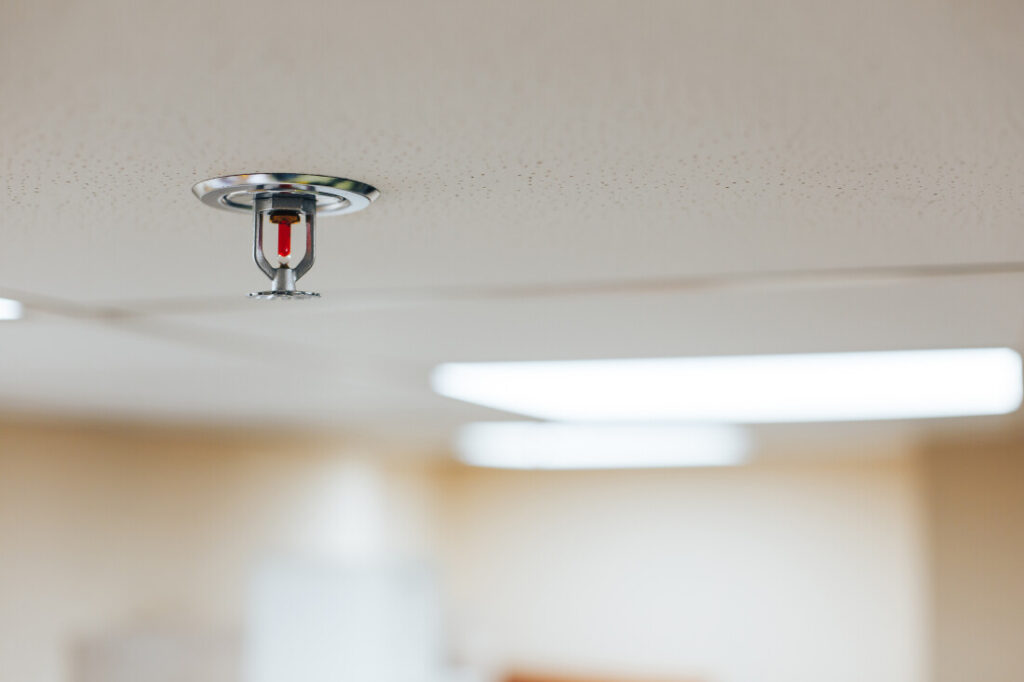
For commercial sprinkler systems maintained to BS EN 12845, our work can include the regular inspection and servicing routines expected of this type of installation, from alarms, pumps and isolating valves through to flow tests, pipework inspections, valve servicing and longer-interval tank and head checks. These systems are designed not only around the sprinkler heads themselves, but around the full chain of performance: water supply, pumps, valves, signalling and the condition of the distribution pipework.
Residential Sprinkler Systems
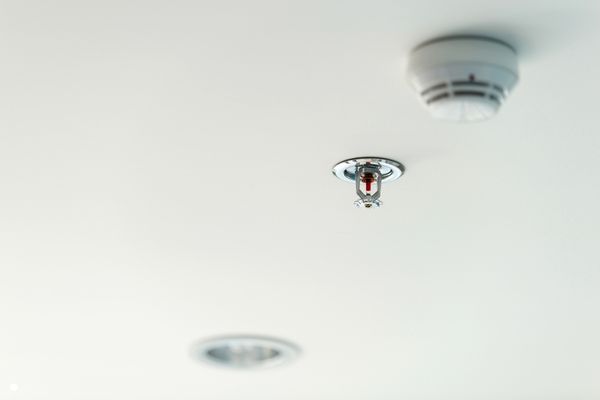
For residential and domestic sprinkler systems maintained to BS 9251:2021, annual inspection and testing are central. That typically means checking for leaks, confirming components and modifications remain suitable, inspecting heads for obstruction, paint or tampering, operating the test valve to verify design flow and pressure, testing alarms and remote monitoring, checking backflow devices and verifying pumps or trace-heating arrangements where installed. In mixed-use premises, the residential parts generally follow BS 9251 while the non-residential areas generally follow BS EN 12845.
Good sprinkler maintenance is not just about turning up and ticking boxes. It is about giving you clear records, signed evidence of testing and a practical view of the system’s condition. Fire safety law requires relevant equipment to be maintained properly, and sector guidance stresses that commissioning and maintenance activity should be documented.
That is why FDS Maintenance should present this service as practical, standards-led and compliance-focused from the first visit to the final report. If you need dependable sprinkler system maintenance that is aligned to the correct standard for your building, speak to FDS Maintenance about a planned service programme tailored to your premises.
Keep your sprinkler system compliant and ready
Wet and Dry Riser Maintenance
Wet and dry risers give firefighters a safe and reliable way to access water on different floors of a building.
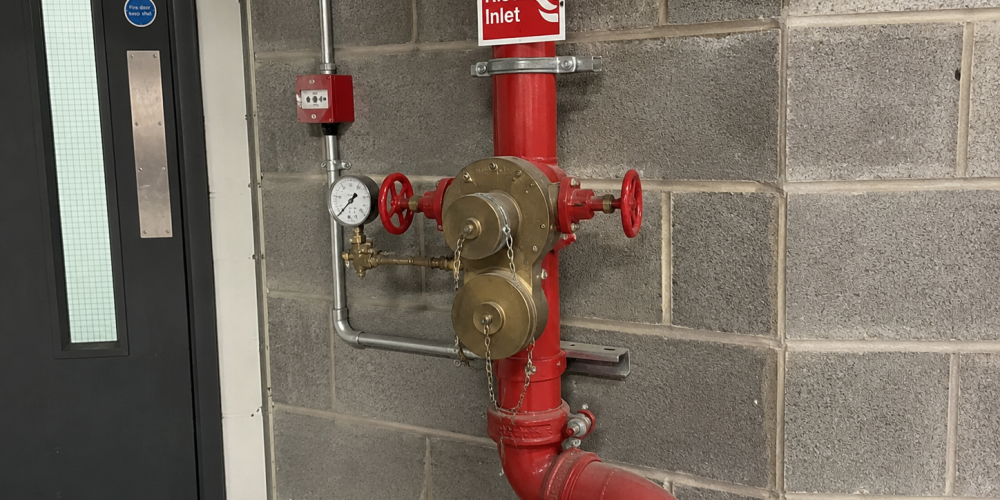
A dry riser is an empty pipe that firefighters connect to from outside the building, before pumping water through to the upper floors. A wet riser is permanently filled with water and supported by pumps and tanks, so water is available immediately when needed.
Risers are commonly found in taller buildings and should be inspected, tested and maintained in line with BS 9990, which covers non-automatic firefighting systems in buildings. Where they form part of a building’s fire safety provisions, maintenance also supports the responsible person’s duties under the Regulatory Reform (Fire Safety) Order 2005.
Regular maintenance typically includes checking valves, inlets, outlets, pipework, pumps, tanks, signage and pressure performance, depending on the system installed. Dry risers should usually be visually inspected every six months and pressure tested annually. Wet risers require similar checks, with additional attention given to pumps, tanks and water supply arrangements.
Good riser maintenance helps make sure the system is ready when firefighters need it. It also helps identify faults early, keep clear records of compliance and protect the people who live, work or visit the building.
Frequently Asked Questions
What standards do you maintain sprinkler systems to?
Commercial and industrial sprinkler systems are generally maintained to BS EN 12845, while residential and domestic sprinkler systems are generally maintained to BS 9251:2021. In mixed-use buildings, the residential parts are generally aligned with BS 9251 and the non-residential parts with BS EN 12845.
What does sprinkler system maintenance usually include?
Typical maintenance work includes inspection and testing of sprinkler heads, cover plates, pipework, supports, valves, alarms, flow switches, water supplies, tanks, pumps, remote monitoring arrangements, backflow devices and related protective measures such as trace heating, depending on what is fitted to the system. It also includes checking for leaks, obstruction, altered hazards and design flow or pressure performance where applicable.
How often should a sprinkler system be serviced?
The frequency depends on the type of system and the standard it falls under. BS EN 12845 compliant routines includes weekly, monthly, quarterly, six-monthly, annual and longer-interval checks. For BS 9251 systems, maintenance includes regular inspection and testing with at least annual inspection, plus extra routines where pumps or self-testing arrangements are fitted.
Is sprinkler maintenance a legal requirement?
Where a sprinkler system is part of the fire precautions needed to safeguard relevant persons, Article 17 of the Regulatory Reform (Fire Safety) Order 2005 requires it to be subject to a suitable system of maintenance and kept in efficient working order and good repair. The Fire Safety Order applies to workplaces and to the common parts of buildings containing two or more domestic premises in England and Wales.
Which standard applies in a mixed-use building?
Guidance is that the residential parts of a mixed-use building are generally aligned with BS 9251, while the non-residential parts are generally aligned with BS EN 12845. This matters because the maintenance scope and testing expectations can differ between the two.
Do all sprinkler heads go off at once?
No. Only the sprinkler head closest to the seat of the fire is triggered to discharge water, and its residential guidance says that only the heads in the immediate vicinity of the fire actually operate.
Will maintenance records be provided?
Yes. The commissioning and maintenance activity should be documented – the person carrying out the inspection should complete and sign the log book as evidence of the inspection. Clear documentation is an important part of demonstrating that the system has been maintained properly.